
2024 – 2025
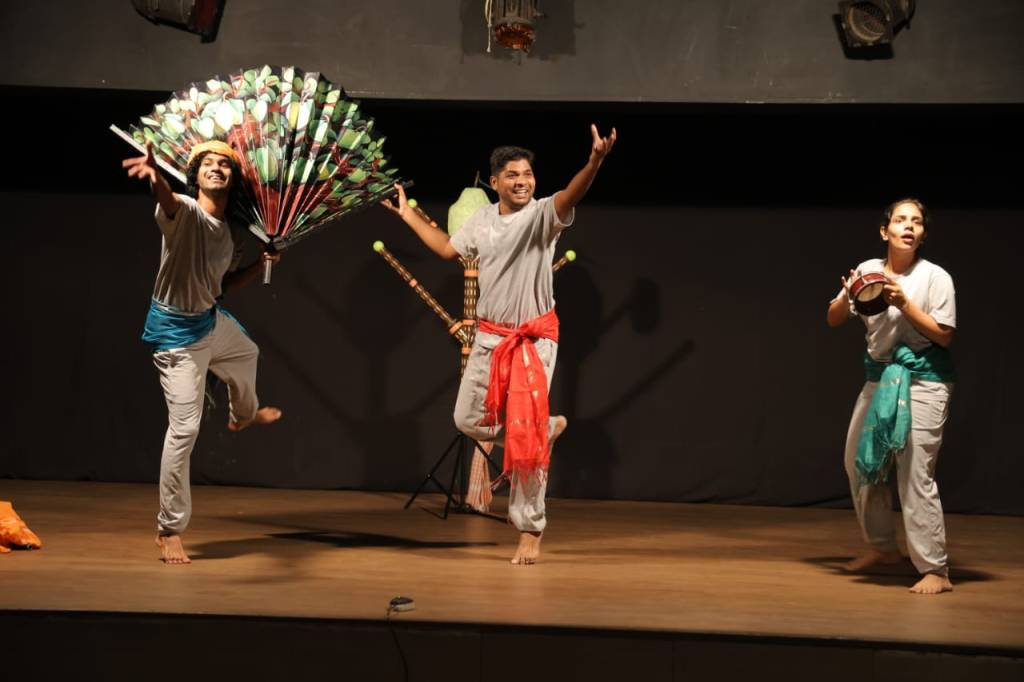
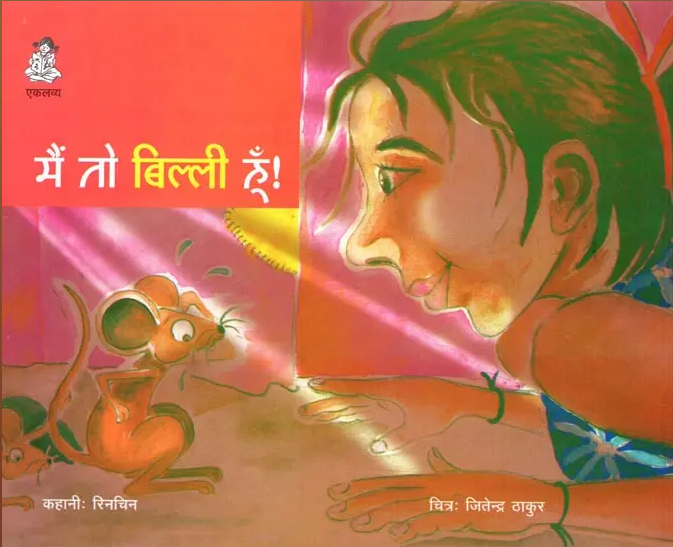
MI TAR MANJAR AHE (MAI TO BILLI HU)
Written by : Author Rinchin llustration by : Jitendra Thakur
Published by: Eklavya Prakashan, Bhopal
Synopsis: refuses to do any work given by her mother. So, her mother makes her do all the things that a cat does. Will Tinti be able to do all those things? Or will she fail to do them and become a ‘zero cat’?
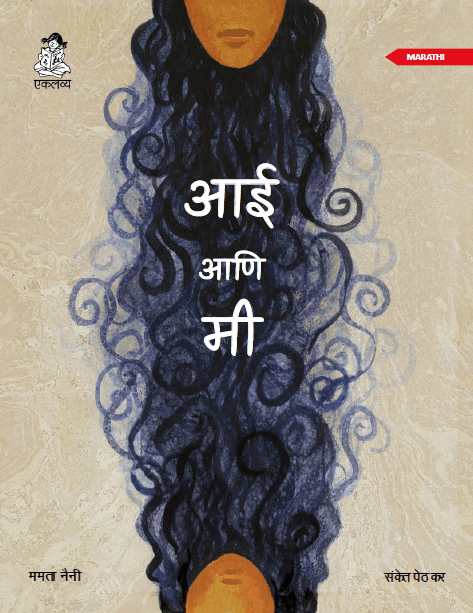
PUSTAKA N VACHNARI MULGI (THE GIRL WHO NEVER READS BOOKS)
Written by : Mamata Naini Marathi Translation : Sujata Deshmukh Illustration : Sanket Pethkar Published by : Eklavya
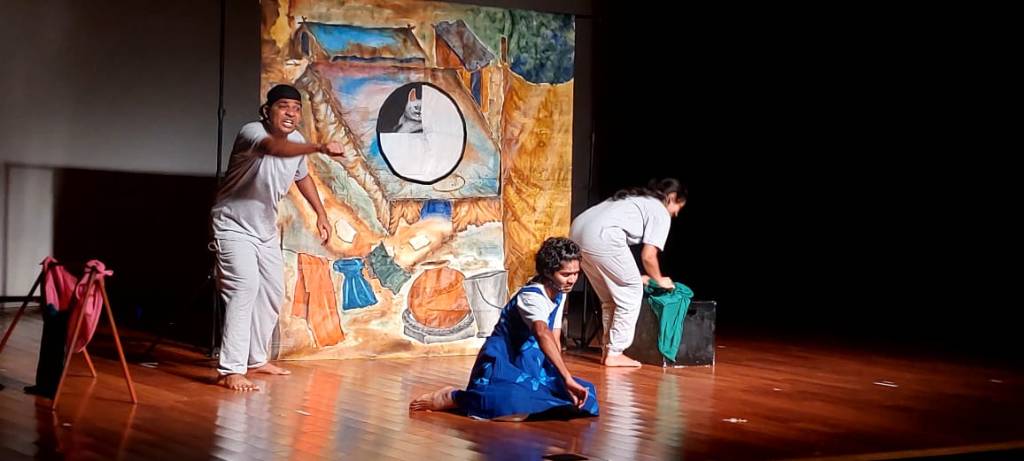
Synopsis: Aadya runs out of the house to meet her mother who is returning from the hospital after many days. But why is her mother walking so slowly? And where is her beautiful hair? She smells different, too. Aadya has many questions. She is angry. She remembers her mother’s long hair.
What will Aadya do now?
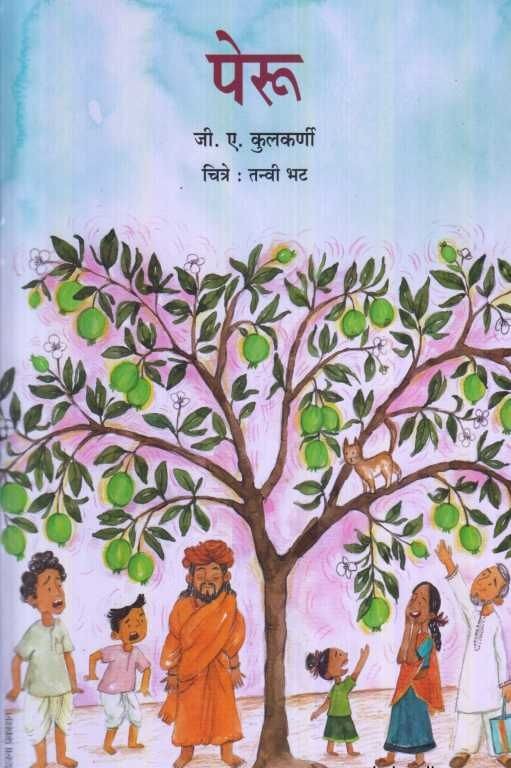
PERU
Written by : G. A. Kulkarni
Illustration by : Tanvi Bhat
Published by : Jyotsna Prakashan
Synopsis: G. A. Kulkarni is an important name in Marathiliterature and the story ‘Peru’ written by him is inhis classic style. The power of folklore and itstimelessness can be experienced while readingor watching ‘Peru’. The story contains a series ofmad events that unfold in and around ‘Peru’. Thisextremely fast-paced and magical story not onlyentertains you but also makes you think.
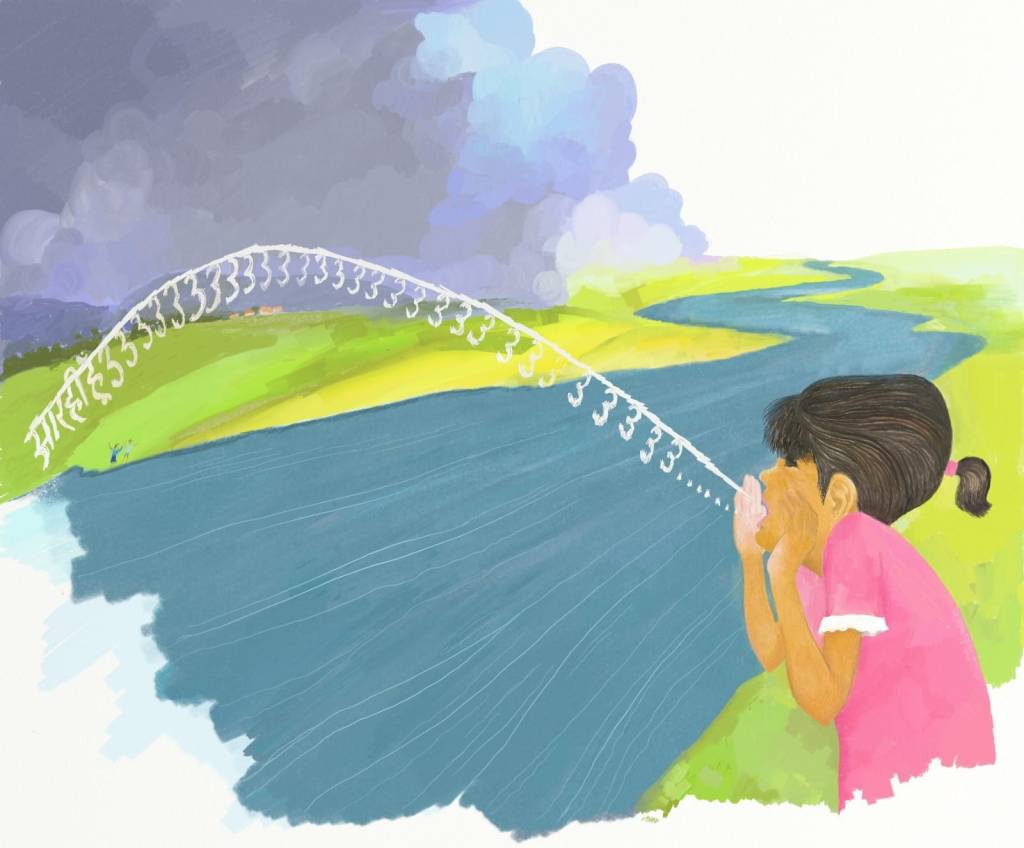
HAAKANCHA POOL
Written By : Nidhi Saxena
Synopsis: Haakancha Pool’ tells the story of friendship thattranscends physical barriers. On either side of ariver, friends stay connected through a uniquebridge—not of bricks and mortar, but of voicescalling out to one another. These simple callsbecome a lifeline, emphasizing the power ofacknowledgment and response. When Lara, wholives across the river, answers her friends’ calls, hervoice—despite its differences—is strong andunwavering. In turn, her friends embrace her with thesame warmth and sincerity. Nidhi Saxena’s‘Haakancha Pool’ is a deeply evocative and abstractexploration of connection, acceptance, and theunspoken bonds that unite us.
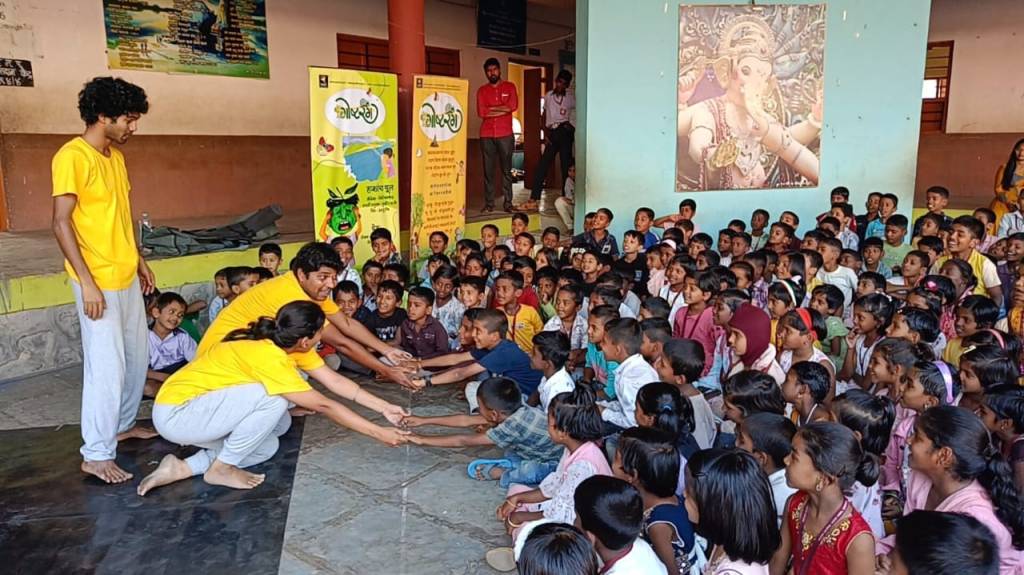
 Goshtarang